Thinking about buying a vacation home in Palm Springs? You are not alone. This desert city has long drawn second-home buyers with its architecture, resort energy, and broad range of price points, but buying here takes more than falling in love with a pool and a mountain view. If you are considering a part-time retreat, this guide will help you understand the market, seasonality, pricing, and short-term rental rules so you can make a smarter decision. Let’s dive in.
Palm Springs Market Basics
Palm Springs remains an active vacation-home market with a wide range of options. In April 2026, Realtor.com reported 1,182 homes for sale, a median listing price of $719,950, a median sold price of $600,000, and a median 57 days on market. Redfin’s March 2026 snapshot showed a similar picture, with a median sale price of $610,000 and 70 days on market.
Those sources used different timing and methodology, but the overall message is similar. Palm Springs does not read like a distressed or deeply discounted market. Instead, it looks like a market where buyers still have choices, but pricing and property fit matter.
Why Palm Springs Stands Out
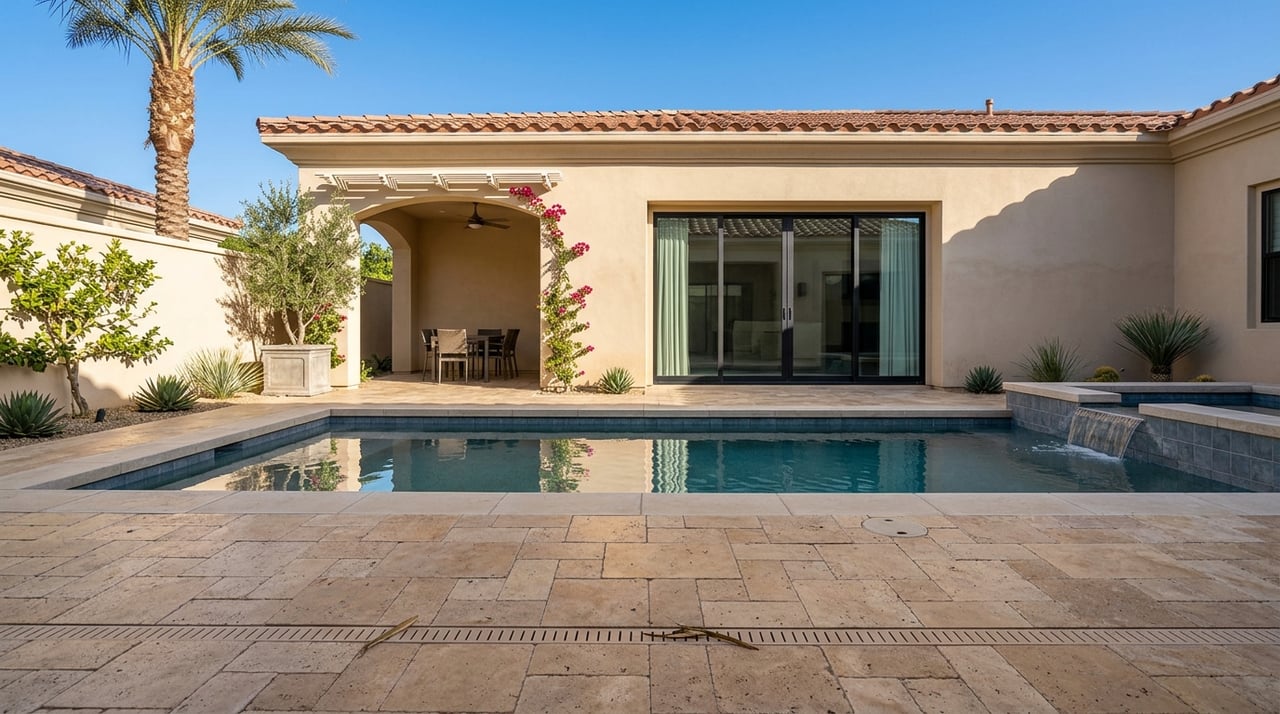
Palm Springs has a strong identity compared with other Coachella Valley cities. Official city planning materials describe it as best known for Mid-Century Modern architecture, along with a variety of other architectural styles adapted to desert climate and indoor-outdoor living. That design character is a major part of the city’s appeal for vacation-home buyers.
Lifestyle also plays a big role. Palm Springs is often associated with central resort appeal, design history, and a classic desert getaway feel. For many buyers, that combination is just as important as square footage or lot size.
Price Ranges Vary Widely
One of the most important things to know is that Palm Springs has a very segmented market. You can find lower-priced entry points, a large middle range, and a strong luxury tier, often within the same city.
Some recent neighborhood median listing examples show that spread clearly:
- Lower-price examples include Racquet Club West at $240,000, Downtown Palm Springs at $349,000, Twin Palms at $345,000, Baristo at $419,000, Midtown Palm Springs at $489,450, and College Park at $529,900.
- Mid-range examples include Canyon Corridor at $611,950, Oasis del Sol at $635,000, Melody Ranch at $649,000, Vista Norte at $749,500, Desert Park Estates at $819,000, and Gene Autry at $829,999.
- Upper-tier examples include Little Tuscany at $1.375 million, Movie Colony East at $1.1 million, Los Compadres at $1.2 million, Palm Canyon Mesa at $1.8 million, The Movie Colony at $2.4 million, Vista Las Palmas at $2.6 million, and Canyon South at $2.5 million.
That range matters because the citywide median only tells part of the story. In Palm Springs, your experience as an owner will often depend more on the neighborhood, property type, and intended use than on the headline market number.
Neighborhood Fit Matters More Than You Think
Palm Springs is often best understood by lifestyle and area, not by one single housing type. Some buyers want a lock-and-leave condo close to restaurants and events. Others want a single-family home with a pool, more privacy, and room for seasonal guests.
Because prices vary so much, it helps to start with your real goals. Are you looking for a personal retreat, a seasonal base, or a home you may also want to rent if allowed? Your answer can shape which parts of Palm Springs make the most sense to explore.
How Palm Springs Compares Nearby
If you are also looking at other desert cities, Palm Springs sits in an interesting position. Based on current median listing prices, Palm Springs at $719,950 is above Palm Desert at $594,750, but below La Quinta at $899,000 and Rancho Mirage at $969,500.
Palm Springs also has more inventory than La Quinta and Rancho Mirage based on the current citywide listing data in the research provided. For buyers, that can mean a broader selection and more variety in architecture, location, and price. It can be a strong fit if you want options and a more design-centered identity.
Seasonality Shapes Demand
Vacation-home demand in Palm Springs is closely tied to tourism, events, and weather. Visit Greater Palm Springs says the destination welcomed 14.5 million visitors in 2024 and generated $9.1 billion in total economic impact. Tourism is a major driver of the local economy, which helps explain why second-home demand is often tied to visitor patterns.
The calendar matters here. Major draw periods include Modernism Week in February and October, the Coachella Valley Music and Arts Festival in April, and fall events like Greater Palm Springs Pride and Spa Month. These events help support the city’s profile as a place people want to visit and return to.
Weather plays an equally important role. NOAA climate normals for Palm Springs Regional Airport show average highs of 103.6 F in June, 108.6 F in July, 108.1 F in August, and 101.8 F in September. For many owners, that means the most active personal-use season tends to run from fall through spring.
What Seasonality Means for Buyers
If you plan to use your home mostly in peak desert season, Palm Springs can offer exactly the kind of winter escape many buyers want. Cooler months tend to line up with the area’s strongest visitor energy, event calendar, and outdoor lifestyle. That can be a big plus if you want an active seasonal home base.
If you are comfortable with summer heat, the off-season may still work well for you. Some buyers enjoy quieter months, pool-focused use, and the different rhythm that comes with lower visitor volume. Your comfort with seasonal patterns should be part of your buying decision, not an afterthought.
Short-Term Rental Rules Are a Big Deal
If rental income is part of your plan, Palm Springs rules deserve close attention. The city says vacation rentals and homesharing are ancillary and secondary residential uses, limited to single-family dwelling units, and prohibited in apartments. That means not every property will qualify for the same use.
The city also places limits on vacation-rental contracts. New permittees may allow no more than 26 vacation-rental contracts per calendar year, while existing permittees may allow no more than 32, with a limited third-quarter exception. The city also notes neighborhood percentage caps, which can affect whether a property is eligible.
Homeshare and Vacation Rental Are Different
Buyers often assume these terms mean the same thing, but Palm Springs treats them differently. A homeshare certificate is for an owner who hosts visitors in the owner’s home while living on-site. According to the city, there is no limit on how many times an owner can rent a homeshare in a calendar year, and neighborhood percentage caps do not apply.
The city also requires at least $500,000 in liability insurance for homeshare applications and notes that HOA documentation may be needed. If you are comparing ownership strategies, this distinction can have a real impact on how you use the property.
Taxes and Reporting Affect Ownership Costs
Short-term rental ownership comes with more than a permit. Palm Springs requires monthly TOT filings for vacation rentals and homeshare properties, even when there were no guests. The city also says stays under 28 days are subject to a 1 percent TBID assessment that is paid monthly with TOT.
These rules matter because they affect both operating costs and your ongoing administrative workload. If you are buying with rental goals in mind, it is smart to understand these obligations early so you can evaluate the property more realistically.
Questions To Ask Before You Buy
Before you move forward on any Palm Springs vacation home, make sure you ask focused questions about use and restrictions. A beautiful property is only the right fit if it works with your plans.
Start with these:
- Can this property legally be rented short-term under current city rules?
- Is the property type eligible for that use?
- Is it in an HOA, and if so, what do the governing documents allow?
- Are there neighborhood cap issues that could affect permits?
- What taxes, insurance, and monthly reporting requirements would apply?
- Does the home fit how you actually plan to use Palm Springs through the year?
Because property-specific rules and financial implications can vary, this is also a good point to consult tax and legal professionals for guidance tailored to your situation.
Palm Springs Can Be a Smart Lifestyle Buy
For the right buyer, Palm Springs offers a compelling mix of design, lifestyle, and market range. It has stronger architectural identity than many nearby cities, a broader inventory base than some of its neighbors, and price bands that give buyers more than one way to enter the market. That combination is part of what keeps Palm Springs so appealing as a second-home destination.
The key is to buy with clarity. When you understand seasonality, neighborhood differences, and local rental rules, you are in a much better position to choose a property that supports your goals instead of complicating them.
If you are weighing Palm Springs against other desert options or want help narrowing down the right fit for your lifestyle, Kelly Ramsay can help you explore the Coachella Valley with practical local insight and responsive guidance.
FAQs
What is the current Palm Springs vacation-home market like?
- Palm Springs appears to be an active market with meaningful inventory, a median listing price of $719,950 in April 2026, and a broad spread from lower-priced entry points to luxury homes.
How do Palm Springs home prices compare with nearby cities?
- Based on the research provided, Palm Springs is priced above Palm Desert but below La Quinta and Rancho Mirage on median listing price, which gives buyers a middle position in the valley’s resort market.
Why is Palm Springs so seasonal for vacation-home owners?
- Tourism, major events, and desert weather all shape demand, with fall through spring generally aligning with more comfortable temperatures and stronger visitor activity.
Can you use any Palm Springs property as a short-term rental?
- No. The city says vacation rentals are limited to single-family dwelling units, prohibited in apartments, and subject to permit limits and neighborhood caps.
What is the difference between a Palm Springs homeshare and vacation rental?
- A homeshare involves the owner living on-site while hosting visitors, while a vacation rental is a different use category with contract limits and separate rules.
What extra costs should Palm Springs vacation-home buyers consider?
- Buyers planning to rent should review permit rules, insurance needs, monthly TOT filings, the 1 percent TBID assessment on stays under 28 days, and any HOA requirements that may apply.