Are you thinking about selling a country club home in Rancho Mirage? In this market, buyers are not only comparing square footage and finishes. They are also weighing views, outdoor living, HOA details, and how the home fits into the desert club lifestyle. If you want a smoother sale, it helps to understand what today’s buyers are looking for and what can affect pricing, timing, and negotiation. Let’s dive in.
Rancho Mirage Buyers See More Than the House
Rancho Mirage has a strong resort and seasonal-home identity, and that shapes how buyers shop. The city’s 2024 community profile estimates 17,445 residents, a median age of 67.4, 9,166 households, and 38.5% vacant housing units. That seasonal pattern means your buyer could be local, relocating, downsizing, or shopping from out of town.
In practical terms, your home is often judged as part of a broader lifestyle package. Buyers may be looking at the home itself, but they are also thinking about outdoor spaces, privacy, convenience, and the overall country club setting. In Rancho Mirage, that context matters.
Pricing Matters More in a Buyer-Leaning Market
If you are hoping the market will do the heavy lifting, current local numbers suggest a more measured approach. GPSR’s January 2026 desert report showed Rancho Mirage at 8.5 months of sales, which was the highest in the valley, with a median of 43 days on market. Realtor.com also described Rancho Mirage as a buyer’s market in early 2026, while Redfin reported a median sale price of $808,000 in March 2026, down 10.2% year over year.
That does not mean well-prepared homes cannot sell well. It does mean buyers have options, and they tend to notice overpricing quickly. Your first list price should be grounded in current comparable sales, active competition, and the specific amenity package your home offers.
Why the First Price Still Matters
When inventory is higher, buyers can afford to be selective. If your price starts too high, you may lose momentum early and end up chasing the market later. That can be especially frustrating in a community where buyers are closely comparing one club home against another.
A smart pricing strategy usually gives you the best chance to attract serious showings in the first few weeks. That early attention can matter more than waiting and hoping for a stronger response down the road.
Timing Your Sale Around the Desert Season
Local housing data suggests that detached home prices in the Coachella Valley often reach a seasonal low in autumn and a seasonal high in spring. That pattern lines up with the desert’s cooler, more comfortable winter and spring weather. NOAA normals for the Palm Springs airport show average highs of 70.5°F in January, 73.7°F in February, 80.6°F in March, and 86.7°F in April.
For many sellers, that means it is wise to finish prep work before the winter-to-spring window. If your home is ready when seasonal demand picks up, you may be in a better position than sellers who are still making repairs or waiting on photos.
Timing Is Helpful, but Inventory Matters Too
The calendar is only part of the picture. If competing inventory rises or similar homes are already sitting on the market, timing alone will not solve a pricing or presentation problem. You still need to look at current conditions before deciding when to go live.
Country Club Homes Need Specific Marketing
A Rancho Mirage country club home should not be marketed like a standard suburban listing. Official local tourism and economic development materials highlight the city’s luxury resorts, lifestyle attractions, healthcare, and recreation. That helps explain why buyers here often respond to the full experience of the property, not just the floor plan.
Club communities in Rancho Mirage can offer very different amenity mixes. Depending on the property, buyers may be comparing golf access, tennis, pickleball, fitness facilities, dining, spa-style amenities, or social offerings. That means the marketing should clearly reflect what is true for your specific home and community.
The Amenity Story Should Be Accurate
Some local clubs present membership as a separate program or inquiry path. Because of that, buyers may ask whether membership is required, optional, transferable, or separate from the home purchase. The right answer depends on the specific property, HOA, and club documents.
It is important not to assume that every Rancho Mirage country club community works the same way. Clear, verified information helps avoid confusion and builds buyer confidence from the start.
Focus Prep on What Buyers Notice Most
In a market with more supply, small presentation issues can have a bigger impact. Rancho Mirage’s demographic profile suggests a mix of owner-occupied and seasonal housing, so buyers may be viewing homes both in person and from a distance. That makes presentation, access, and communication especially important.
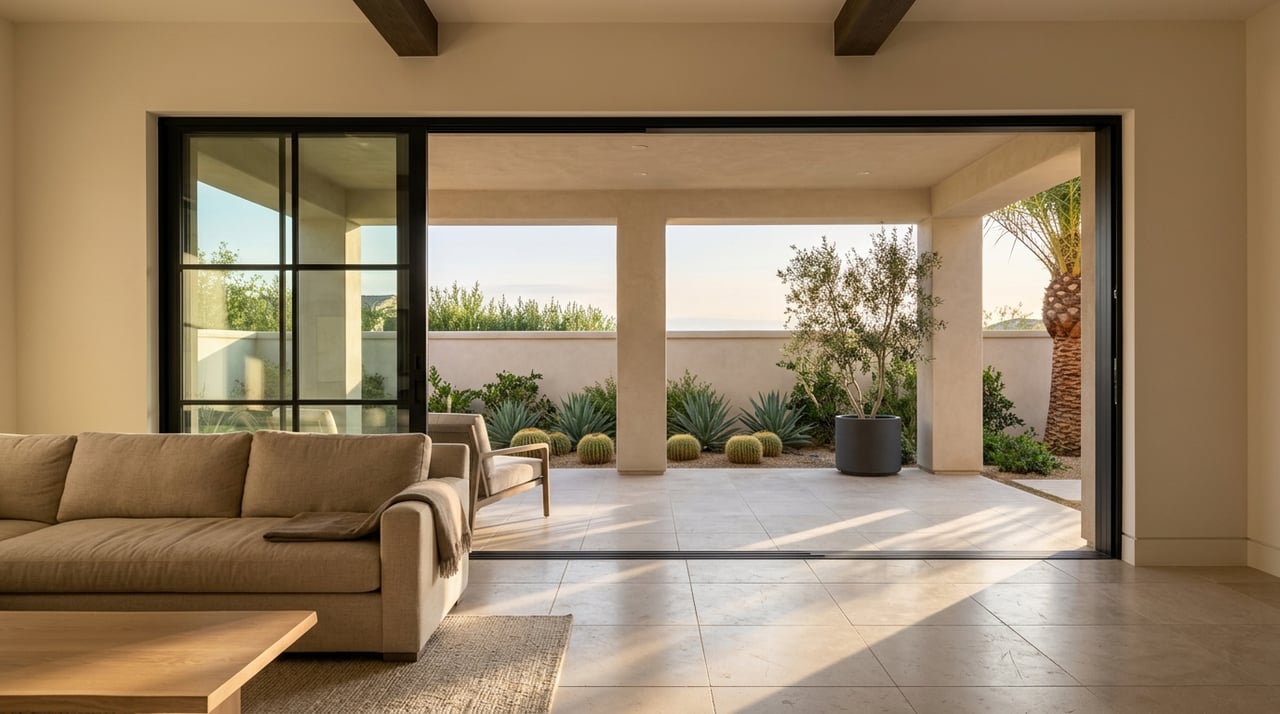
For a country club home, buyers often focus on the features tied most closely to the desert lifestyle. They may pay close attention to how the home lives indoors and out, how private it feels, and how well it supports relaxed daily use or seasonal entertaining.
Key Areas to Prioritize Before Listing
Consider putting extra attention on:
- Curb appeal and front entry presentation
- Outdoor living spaces
- Pool and spa appearance
- Landscaping and general upkeep
- Privacy features
- Golf course or view-facing areas
- Lighting, cleanliness, and clutter reduction
These details shape the first impression. In many Rancho Mirage country club communities, they are part of what buyers believe they are paying for.
Showing Access Can Influence Results
If your buyer may be coming from outside the area, easy showing access can make a real difference. In a buyer-leaning market, limited availability or slow follow-up can cause buyers to move on to another property. That is especially true when there are many homes to compare.
The goal is to make the process feel simple and predictable. Clean presentation, flexible access when possible, and prompt communication can help your listing compete more effectively.
Get Disclosures and HOA Documents Ready Early
California sellers should expect disclosure work well before closing. State law requires a Transfer Disclosure Statement for most single-family residential sales, and California’s Natural Hazard Disclosure law requires notice if a property falls within certain mapped hazard zones, including flood, potential flooding, very high fire hazard severity, earthquake fault, seismic hazard, or wildland fire zones.
If your home is in a common-interest development, there is another layer of required information. Under California Civil Code 4525, sellers in these communities must provide governing documents, the most recent annual disclosures, current regular and special assessments and unpaid items, notices of unresolved violations, any rental restrictions, board minutes if requested, and the most recent inspection report.
Why Early Document Prep Helps
Country club buyers often want answers quickly. If questions come up about assessments, rules, violations, transfer fees, or occupancy restrictions, delays can slow the transaction or create uncertainty. Gathering these items early can make your listing feel more organized and easier to evaluate.
If the property is also subject to a transfer fee, California requires an additional disclosure. Having that information ready before you list is often the cleaner path.
Know the Local Costs That Can Affect Net Proceeds
Rancho Mirage imposes a real property transfer tax of 27.5 cents for each $500 of value, which equals $0.55 per $1,000 of value on taxable transfers over $100. That is one of the local costs sellers should confirm before going live.
You may also need to account for HOA transfer fees or other community-related charges, depending on the property. It is worth confirming with escrow and title which fees apply and how the contract will assign payment responsibilities.
Questions Buyers Will Likely Ask
When you sell a Rancho Mirage country club home, buyers often want clarity on a few specific topics right away. Being ready with accurate answers can improve confidence and reduce back-and-forth later.
Common questions include:
- When is the best time to list this home?
- How was the list price determined?
- What disclosures and HOA documents are available?
- Is club membership required, optional, or separate?
- Are there transfer taxes, HOA fees, or club-related transfer costs?
The more clearly these questions are handled, the easier it is for buyers to move forward.
Selling With a Clear Desert-Lifestyle Strategy
Selling a Rancho Mirage country club home takes more than putting a sign in the yard. You need pricing that reflects today’s market, marketing that captures the lifestyle buyers are seeking, and preparation that makes the home easy to understand and easy to show. In a market where buyers have choices, that level of detail can matter.
If you want a thoughtful plan for timing, pricing, preparation, and country club positioning, working with someone who understands the Coachella Valley can help you move with more confidence. To start the conversation, connect with Kelly Ramsay.
FAQs
What makes selling a Rancho Mirage country club home different?
- Buyers often evaluate both the home and the broader club lifestyle, including outdoor living, views, privacy, HOA details, and how the property fits into the community setting.
How should you price a country club home in Rancho Mirage?
- In a buyer-leaning market, pricing should be based on current comparable sales, active competition, and the home’s actual amenity package rather than hopeful pricing.
When is the best time to list a Rancho Mirage home?
- Local data suggests a seasonal pattern from autumn to spring, but current inventory and days on market should guide the final timing decision.
What disclosures are required when selling a home in Rancho Mirage, California?
- Sellers should expect standard California disclosure requirements such as the Transfer Disclosure Statement and Natural Hazard Disclosure, along with HOA documents if the property is in a common-interest development.
What should buyers know about Rancho Mirage country club membership?
- Membership terms can vary by property and community, so you should verify whether membership is required, optional, transferable, or separate by reviewing the specific HOA and club documents.
Are there local closing costs for Rancho Mirage home sellers?
- Rancho Mirage has a city real property transfer tax of $0.55 per $1,000 of value on taxable transfers over $100, and some properties may also have HOA or other transfer-related fees.