Looking for a second home in Palm Desert but not sure which area fits the way you actually want to live? That is a common challenge, especially when one city offers everything from established condo communities near shopping to golf-oriented neighborhoods and more convenience-driven areas. If you want a clearer way to compare your options, this guide will walk you through Palm Desert’s main second-home lifestyle buckets and help you narrow down what may fit best. Let’s dive in.
Why Palm Desert Stands Out
Palm Desert sits in the center of Greater Palm Springs and is described by regional economic-development resources as the valley’s shopping, higher-education, and business hub. That matters if you want a second home that feels easy to use, not just beautiful to visit.
The city also has a strong public amenity base. According to Greater Palm Springs regional information, Palm Desert includes more than 200 acres of parkland, 17 parks, two community centers, the Palm Desert Aquatic Center, and more than 25 miles of trails. For many second-home buyers, that adds up to a market with more day-to-day convenience than a purely resort-focused setting.
Start With Your Lifestyle Priorities
Before comparing neighborhoods, it helps to decide what matters most to you in a seasonal or part-time home. In Palm Desert, your shortlist often comes down to a few practical questions.
- Do you want to be near El Paseo and established condo communities?
- Do you prefer a golf or country club setting with a stronger resort feel?
- Is shopping and errands close to home more important than club amenities?
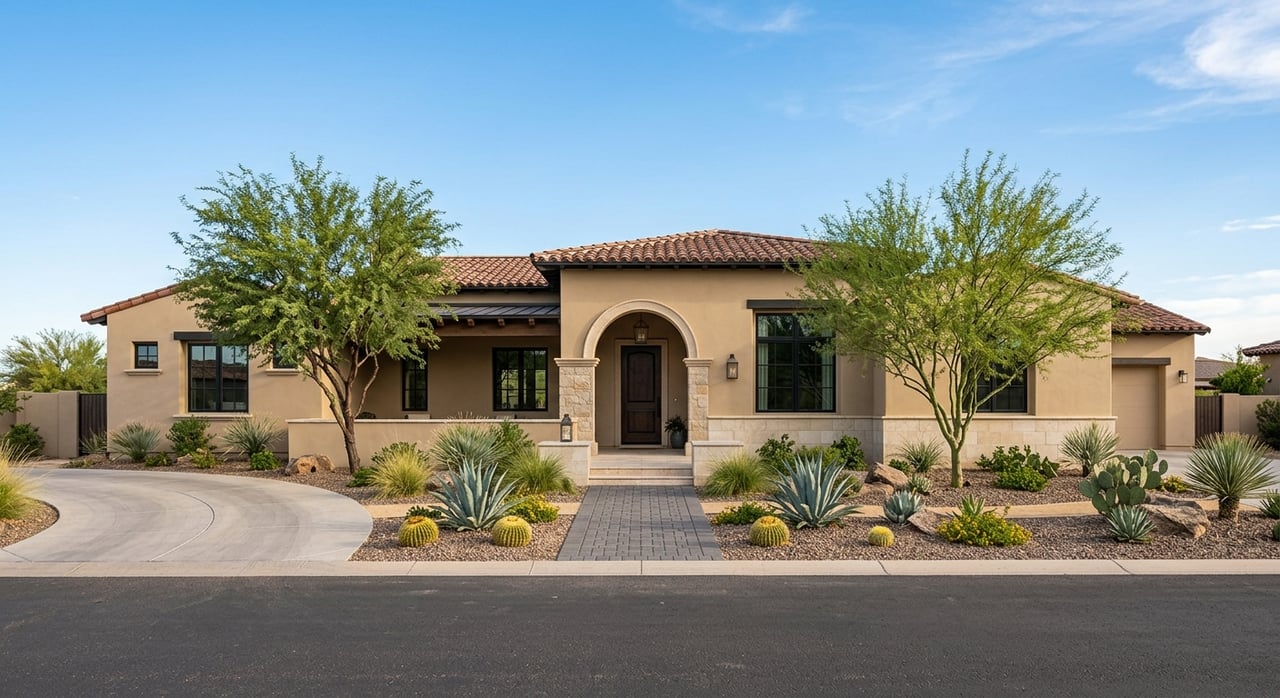
- Do you want an architectural style with more historic desert character, Spanish Revival influence, or newer mixed-use convenience?
- How much maintenance do you want to take on when you are away?
Those answers can quickly point you toward the right area and property type.
El Paseo and Established Condo Areas
If walkable shopping, dining, and a recognizable Palm Desert lifestyle appeal to you, start here. The El Paseo Shopping District is one of the city’s clearest lifestyle anchors, with more than 300 shops, more than a dozen restaurants, public art, and recurring events.
For second-home buyers, that kind of location can be especially attractive because it supports a lock-and-leave lifestyle. You can spend less time planning every outing and more time enjoying the area when you are in town.
Nearby communities often come up in this conversation. Sandpiper is noted as an early-1960s condominium landmark with lawns, pool clusters, and walking paths, while Marrakesh is presented as a gated country club community with golf-course surroundings. These established settings often appeal to buyers who want strong access to Palm Desert’s social and retail core along with a distinct desert design identity.
Who This Area May Suit
This part of Palm Desert may be a fit if you want:
- An established condo or attached-home setting
- Easy access to shopping and dining
- Recognizable desert architecture and atmosphere
- A home that may require less exterior upkeep than a larger property
If your second home is meant to feel convenient, social, and easy to enjoy on short stays, this category is often a strong place to begin.
Golf and Country Club Living
For some buyers, a second home in Palm Desert is really about the resort-home experience. If your ideal day includes golf, views, and neighborhood amenities, golf-oriented communities may be the better lane.
Palm Desert’s golf identity is anchored in part by Desert Willow Golf Resort, which the city says it owns and operates. The city also notes that residents can obtain a Resident Golf Card and that the resort includes two championship courses.
More broadly, regional tourism information frames Palm Desert as a place where golf-course living, private-club settings, and desert design often overlap. For second-home buyers, that usually means prioritizing views, amenities, and a more retreat-like feel over being close to every retail stop.
What Buyers Often Like Here
Golf and country club areas typically appeal to buyers who value:
- A stronger resort-home atmosphere
- Golf-course or landscaped views
- Amenity-driven living
- A neighborhood identity centered on leisure and lifestyle
This category can be especially appealing if your second home is where you plan to spend longer stays, entertain guests, or settle into a seasonal routine.
Convenience-Oriented Areas
Not every second-home buyer wants club living. Some want a home base where daily errands are simple, shopping is close by, and the city feels practical as well as attractive.
Palm Desert has a notable retail and service story. Visitor resources highlight The Shops at Palm Desert, Highway 111 retail, and Monterey Avenue shopping that includes major everyday stores such as Target, Marshalls, TJ Maxx, Nordstrom Rack, Walmart, Sam’s Club, and Lowe’s. That kind of access can be a real advantage if you split time between homes and do not want every visit to start with a long errand list.
City planning also identifies the University Neighborhood Specific Plan as a mixed-use area intended to combine residential, retail, services, and employment uses. For buyers who care most about convenience and flexibility, this is one of Palm Desert’s most practical lifestyle buckets.
When This Option Makes Sense
A convenience-oriented area may be right for you if:
- You want errands close to home
- You are less focused on private club membership
- You expect to use the home for longer stays or part-time remote work
- You value everyday ease over a more secluded resort feel
For many buyers, especially relocators and out-of-town owners, this is an underrated advantage.
Public Amenities Add Real Value
One reason Palm Desert works well for second-home ownership is that the city offers more than private amenities alone. Its public recreation and cultural options help round out daily life, whether you are visiting for a weekend or staying for a season.
Civic Center Park is the city’s largest park and includes pickleball, tennis, volleyball, basketball, an amphitheater, a dog park, a rose garden, playgrounds, and walking paths. The city also says CV Link runs through Palm Desert from the Bump-n-Grind trailhead to Cook Street, supporting walk, bike, or golf-cart-friendly movement in selected areas.
Cultural amenities also play a role. The McCallum Theatre describes itself as the desert’s premier performing arts center, while The Living Desert Zoo and Gardens is an accredited zoo and botanical garden with more than 150 species, 1,200 protected acres, and miles of hiking trails. Together, these features make Palm Desert feel like a full-service city rather than a one-note resort market.
How Palm Desert Compares Nearby
Palm Desert often appeals to buyers who want balance. Compared with nearby cities, it can offer a broader mix of neighborhood styles, shopping access, recreation, and lifestyle choices within one city.
According to Greater Palm Springs city profiles, Palm Springs is known for midcentury and modern appeal, nightlife, and downtown shopping. Rancho Mirage leans into resorts, Sunnylands, a library observatory, and a healthcare campus. Indian Wells emphasizes luxury living, golf, tennis, and upscale condos and estates. La Quinta is known for its golf identity, Old Town boutiques, Highway 111 retail, and expanding residential neighborhoods.
If you want more nightlife energy, Palm Springs may feel like a better match. If you want a resort-quiet setting or more luxury-golf exclusivity, Rancho Mirage or Indian Wells may move higher on your list. But if you want everyday retail, public recreation, and several neighborhood types in one city, Palm Desert often lands in the sweet spot.
A Simple Way to Narrow It Down
If you are still deciding, use this quick framework to organize your search.
Choose El Paseo Nearby If You Want
- Shopping and dining close by
- Established condo living
- Strong desert character
- A more lock-and-leave setup
Choose Golf-Focused Areas If You Want
- A resort-home feel
- Amenity-rich surroundings
- View-oriented living
- A stronger leisure and club lifestyle
Choose Convenience-Driven Areas If You Want
- Easy errands and retail access
- Flexibility for longer stays
- Less emphasis on membership living
- A practical day-to-day setup
The best second-home neighborhood is not just the one with the most amenities. It is the one that fits how you plan to use the home.
Think About Maintenance Early
For second-home buyers, maintenance matters just as much as location. A condo or attached home near Palm Desert’s lifestyle core may offer a simpler lock-and-leave option, while a larger home in a golf or country club setting may offer more space and privacy but also a different level of upkeep.
That does not mean one is better than the other. It simply means your ideal neighborhood should match how often you visit, how much you want to maintain, and whether your second home is more of a quick getaway, a seasonal retreat, or a future full-time move.
Finding the Right Fit in Palm Desert
Palm Desert gives you more than one version of desert living, and that is exactly why so many second-home buyers put it on their shortlist. You can focus on established condo communities near El Paseo, lean into golf and country club surroundings, or prioritize practical convenience and public amenities. The key is to match the neighborhood to your lifestyle, your maintenance preferences, and the way you plan to enjoy the home.
If you want help comparing Palm Desert options or narrowing your search across the desert cities, Kelly Ramsay can help you evaluate neighborhoods with clear local insight and hands-on guidance tailored to how you want to live.
FAQs
What types of second-home neighborhoods are common in Palm Desert?
- Palm Desert second-home buyers often compare three main categories: areas near El Paseo and established condo pockets, golf and country club neighborhoods, and convenience-oriented areas with strong retail access.
Is Palm Desert a good fit for buyers who want more than resort living?
- Yes. Based on city and regional sources, Palm Desert combines shopping, parks, trails, cultural attractions, and public recreation with a range of residential options, which can make it feel more full-service than a purely resort-focused city.
What makes the El Paseo area appealing for a second home in Palm Desert?
- The El Paseo area stands out for its concentration of shops, restaurants, public art, and events, along with nearby established condo communities that can support a convenient lock-and-leave lifestyle.
Are golf-oriented neighborhoods in Palm Desert only for full-time residents?
- No. Golf and country club areas can also appeal to second-home buyers who want a seasonal retreat with views, amenities, and a stronger resort-home atmosphere.
How does Palm Desert compare with Palm Springs for second-home buyers?
- Palm Springs is generally known for more nightlife, downtown activity, and midcentury-modern appeal, while Palm Desert may appeal more to buyers who want everyday shopping, public recreation, and a wider mix of neighborhood types.
What should second-home buyers consider before choosing a Palm Desert neighborhood?
- You should think about your preferred home type, how much maintenance you want, whether you value shopping convenience or club amenities more, and how you expect to use the home during the year.