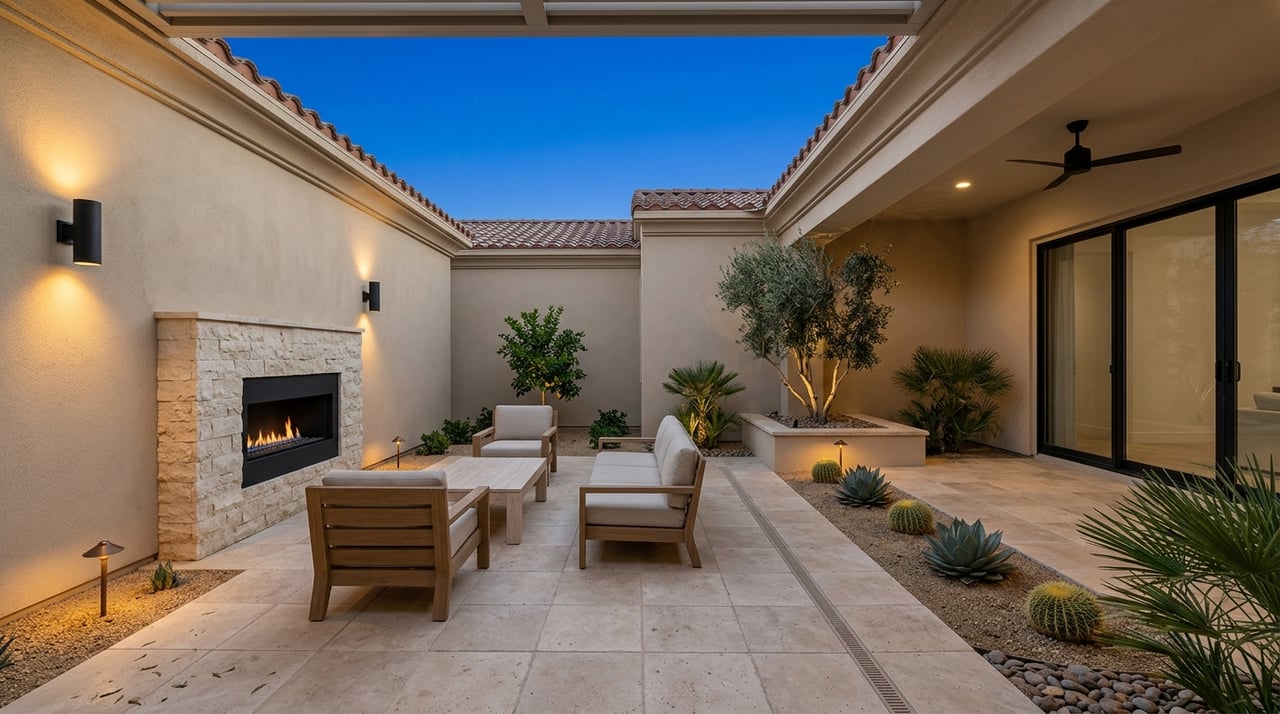
Thinking about escaping winter with a place in the desert? Indio has a lot to offer seasonal buyers, from resort-style condos and golf-course homes to easy access to some of the Coachella Valley’s biggest events. If you are considering a part-time home here, the key is looking beyond the sunshine and making sure the property fits how you actually plan to use it. This guide will walk you through the practical details that matter most so you can buy with confidence. Let’s dive in.
Why Indio Appeals to Seasonal Buyers
Indio sits in the Coachella Valley and is known by the city as the “City of Festivals.” The city says nearly 1.4 million people visit each year for major events like Coachella and Stagecoach, and the housing mix ranges from workforce homes to multimillion-dollar properties, including resort-style condos and golf-course residences in gated communities.
That variety is a big reason seasonal buyers keep Indio on their radar. You can find options that support different budgets, ownership goals, and lifestyle priorities, whether you want a low-maintenance condo or a larger home with more space for hosting.
The climate is another major draw. NOAA normals for the Indio Fire Station show an average July maximum of 105.8°F, an average December maximum of 68.8°F, annual precipitation of just 2.92 inches, and no measurable snow. For many part-time owners, that means warm, dry winters and a strong indoor-outdoor lifestyle during peak season.
What Seasonal Ownership Really Means
Buying a seasonal desert home is different from buying a primary residence. In Indio, the weather and local conditions make heat management, irrigation, and vacancy planning especially important.
If you will be away for part of the year, you want a property that is easy to maintain when you are not in town. That can mean simpler landscaping, dependable irrigation, and a home setup that does not require constant attention during hotter months.
The city’s current Level 1 water-use restrictions also shape ownership decisions. Indio Water Authority says runoff, unnecessary water on driveways and sidewalks, and certain decorative water uses are prohibited. The city also offers rebates for turf removal and more efficient irrigation systems and indoor fixtures, which makes low-water design a practical choice for many seasonal owners.
Choosing the Right Area in Indio
Not every part of Indio lives the same way during the season. Because the city spans 30 square miles and functions as a major regional center, small location differences can affect your day-to-day experience more than you might expect.
One of the biggest tradeoffs is event access versus quiet. In March 2026, the city announced festival-season street closures and warned of significant traffic around the Coachella Valley Music and Arts Festival and Stagecoach Country Music Festival, including impacts on Avenue 50, Jefferson, Washington, Monroe, Highway 111, and nearby I-10 exits.
If you love being close to the action, that convenience may be worth it. If you are looking for a quieter retreat, it is smart to weigh proximity to festival corridors against traffic patterns, major routes, and your preferred pace when you are in town.
Why HOA Details Matter
A large share of seasonal-home inventory in Indio is located in a common-interest development. In California, membership in the homeowners association is automatic when you buy in one of these communities, so the rules and costs are not optional side notes. They are part of the property.
The California Department of Real Estate says CC&Rs set the ground rules for the community, define common areas, explain assessments, and cover issues like insurance and architectural control. Some boards hire professional management companies, but the board still remains responsible for oversight.
For a seasonal buyer, this matters because HOA structures can directly affect convenience, monthly costs, and flexibility. A well-managed community may support the lock-and-leave lifestyle many part-time owners want, but you still need to understand exactly what you are agreeing to before closing.
Questions to Ask About HOA Costs
HOA dues can cover different things from one community to another. The DRE notes that assessments may be regular or special, and some associations bill quarterly or annually rather than monthly.
Regular assessments generally fund day-to-day operations and long-term reserve maintenance. The DRE also notes that some communities charge separate user fees for amenities such as pools, clubhouses, or tennis courts.
That means you should ask clear questions such as:
- What do the regular dues include?
- How often are assessments billed?
- Are there any recent or planned special assessments?
- Are amenities included in dues or billed separately?
- What do the reserve accounts and budget look like?
Why the Governing Documents Deserve a Close Read
If you are buying in a newer subdivision, California DRE public reports can include the CC&Rs, HOA costs and assessments, and other material disclosures. The DRE also advises buyers to review governing documents before purchase and check the association’s budget, insurance coverage, and reserve account.
This is especially important for seasonal owners because your lifestyle may depend on community rules more than you realize. Parking, exterior changes, maintenance responsibilities, amenity use, and rental rules can all shape how well a property works for you.
If You May Rent the Home Out
Some seasonal buyers want a property they can enjoy part of the year and possibly rent out when they are away. If that flexibility matters to you, do not assume every home will support it.
The California DRE notes that some common-interest developments restrict rentals. Even if city rules would otherwise allow a stay or rental, the HOA’s governing documents may still limit or prohibit certain types of rental use.
On the city side, Indio regulates short-term residential rentals. The city says owners need a business license, a short-term rental permit, and tax registration, and a property cannot be rented or advertised without an active permit.
That makes rental use a separate due-diligence item, not an afterthought. If future rental income or guest flexibility is part of your plan, verify both city requirements and HOA rules before you count on that option.
A Smart Seasonal Buyer Checklist
When you are comparing homes in Indio, it helps to keep your focus on the details that affect ownership after closing. A beautiful home is only part of the decision.
Use this checklist as you narrow your options:
- Confirm whether the property is in an HOA or common-interest development.
- Read the CC&Rs before removing contingencies.
- Ask what dues cover and whether any amenities cost extra.
- Review how assessments are billed and whether special assessments are possible.
- Check the association’s budget, insurance coverage, and reserve account.
- Plan for heat, irrigation, and vacancy-period maintenance.
- Look at the location with festival traffic and route access in mind.
- Verify city short-term rental requirements if rental use matters.
- Verify HOA rental rules separately before making assumptions.
How Local Guidance Helps
A seasonal purchase in Indio is often about more than finding the right square footage. You are also choosing a location, ownership structure, and level of upkeep that fits how you want to spend your time in the desert.
That is where local perspective can make a real difference. Comparing event access, community rules, amenity structures, and low-maintenance ownership needs takes more than a quick online search, especially if you are buying from out of town.
With the right guidance, you can narrow in on homes that match your lifestyle goals and avoid surprises after closing. If you are exploring a seasonal home in Indio and want practical, local insight, Kelly Ramsay can help you make a clear, confident plan.
FAQs
What makes Indio appealing for a seasonal home?
- Indio offers warm winter weather, very low annual rainfall, a wide range of housing options, and access to golf, outdoor activities, and major festivals.
What should you check before buying in an Indio HOA community?
- You should review the CC&Rs, confirm what dues cover, ask how assessments are billed, and check the association’s budget, insurance coverage, and reserve account.
What seasonal home issues matter most in Indio?
- Heat management, irrigation, low-water landscaping, and vacancy-period maintenance are some of the most important practical concerns for part-time owners.
What should you know about festival traffic in Indio?
- Festival season can bring major traffic impacts and street closures near roads such as Avenue 50, Jefferson, Washington, Monroe, Highway 111, and nearby I-10 exits.
What are the rules for short-term rentals in Indio?
- The city says short-term rental owners need a business license, a short-term rental permit, and tax registration, and a property cannot be rented or advertised without an active permit.
Can an HOA limit rental use in an Indio seasonal home?
- Yes. In some common-interest developments, HOA rules may restrict rentals, so you should verify both city rules and HOA rules before relying on rental flexibility.